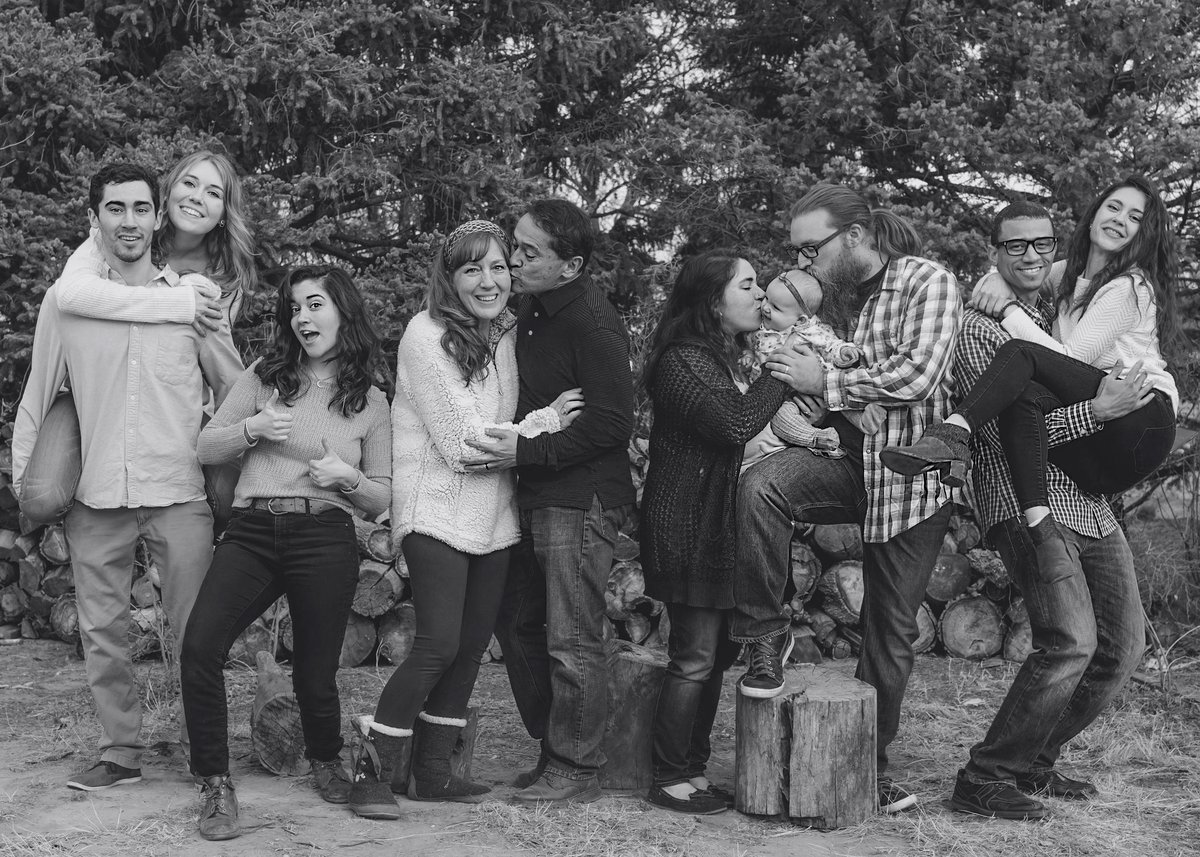
Abercrombie’s Rebrand: What Made It Work
The Abercrombie & Fitch rebrand is one of the most studied turnarounds in retail marketing, and for good reason. A brand that had built its entire identity on exclusion, aspiration, and a very specific physical ideal spent years quietly dismantling that architecture and replacing it with something more commercially durable. The result was not just a PR recovery story. It was a genuine business transformation, driven by decisions that most brand teams would have found uncomfortable to make.
What makes it worth studying is not the surface-level repositioning. It is the sequencing, the patience, and the willingness to rebuild from the product and experience outward rather than from the campaign inward.
Key Takeaways
- Abercrombie’s recovery was driven by operational and product changes first, not a marketing campaign. The brand waited until it had something worth saying before it said it.
- Exclusion as a brand strategy works until it doesn’t. When the culture shifts, brands built on who they reject become liabilities faster than brands built on who they welcome.
- The “girlfriend effect” dynamic, where social proof from real people outperforms polished brand content, played a significant role in Abercrombie’s social recovery.
- Rebrands that stick tend to be anchored in changed behaviour, not changed messaging. Abercrombie changed its hiring practices, its store experience, its product range, and its tone before it changed its advertising.
- The lesson for brand teams is not “be more inclusive.” It is that brand positioning must be grounded in something the business can actually deliver consistently at every touchpoint.
In This Article
- What Was the Abercrombie Brand Actually Built On?
- Why the Recovery Was Not a Marketing Fix
- The Role of Social Proof in the Abercrombie Recovery
- What the Messaging Shift Actually Looked Like
- The Audience Expansion Question
- What the BCG Lens Reveals About Brand Transformation
- The Hollister Dynamic: Managing a Brand Portfolio Through a Rebrand
- What Brand Teams Can Actually Take From This
What Was the Abercrombie Brand Actually Built On?
To understand the rebrand, you have to understand what the original brand was doing and why it worked for as long as it did. Abercrombie under Mike Jeffries was not accidentally exclusionary. It was deliberately, strategically, and quite openly so. Jeffries famously said the brand was for cool kids, for the attractive, for the popular. That was not a gaffe. It was the positioning.
The mechanics of it were sophisticated, even if the values were not. Dim lighting, heavy fragrance, loud music, shirtless male models at the door, a narrow size range, a specific aesthetic. Every element of the in-store experience reinforced the same message: you either belong here or you do not. For a significant period, that created enormous aspiration. People wanted to belong. The brand had pricing power, cultural cachet, and strong loyalty among its core demographic.
I have seen versions of this in agency work across fashion, hospitality, and consumer goods. Brands that use exclusion as a mechanism for desire. It can work. The problem is that it requires the brand to remain culturally dominant enough that the aspiration outweighs the rejection. The moment the culture shifts, or the moment a competitor offers belonging without the cost of rejection, the model starts to crack.
For Abercrombie, the crack became a collapse. A combination of changing cultural attitudes, a Netflix documentary that brought the worst of the brand’s history into sharp focus, and a generation of consumers who were actively hostile to the kind of gatekeeping the brand had built its identity on. By the mid-2010s, the brand was in serious trouble.
Why the Recovery Was Not a Marketing Fix
This is where most case studies get lazy. They frame the Abercrombie story as a rebrand, as if the company hired a new agency, ran a better campaign, and things turned around. That is not what happened.
The recovery started with the product. Abercrombie changed its size range significantly, extending into sizes that the brand had previously refused to stock. It changed its store experience, removing the heavy fragrance, improving the lighting, and making the environment feel less like a club with a velvet rope and more like a shop. It changed its hiring practices. It changed its visual identity. It changed its social media tone.
These are operational and commercial decisions, not marketing decisions. And they came first. The brand did not announce a new positioning and then try to make the business catch up. It changed the business and then let the positioning reflect what the business had become.
I spent several years running an agency through a significant turnaround. We were loss-making when I took over the P&L. The instinct in that situation is to fix the marketing, to rebrand, to relaunch, to make noise. That instinct is almost always wrong. What actually moved us from loss to profit was cutting what was not working, fixing the delivery, improving margins, and hiring people who were better than the problems we were trying to solve. The marketing came later, once we had something worth selling. Abercrombie followed a similar logic, even if the scale was entirely different.
If you are interested in how brand recovery intersects with communications strategy more broadly, the PR & Communications hub at The Marketing Juice covers the full range of how brands manage reputation, messaging, and public positioning across different contexts.
The Role of Social Proof in the Abercrombie Recovery
Something interesting happened on social media as Abercrombie was quietly changing its product and experience. Real customers started posting about it. Not because the brand asked them to, but because the product had genuinely improved and the experience was no longer hostile.
This connects to a phenomenon that Later’s social media glossary describes as the girlfriend effect: the idea that organic social proof from real people carries significantly more persuasive weight than polished brand content. When someone you follow posts about a brand without being paid to do so, it reads as authentic recommendation rather than advertising. For a brand trying to rebuild trust after years of reputational damage, that kind of earned advocacy is worth more than any campaign spend.
Abercrombie did not manufacture this. It created the conditions for it by making a product that people genuinely wanted to talk about. The denim range in particular generated significant organic conversation, with customers posting fit comparisons and reviews across TikTok and Instagram. The brand’s social accounts shifted tone to match, becoming warmer, more self-aware, and less aspirationally aggressive.
This is a point I have made in various forms when advising clients on brand recovery. You cannot buy your way back to trust. You can create the conditions for trust to rebuild organically, but that requires the product and experience to be genuinely better. If the underlying offer has not changed, no amount of authentic-feeling content will hold. Audiences are better at detecting the gap between brand promise and brand reality than most marketing teams give them credit for.
What the Messaging Shift Actually Looked Like
The visual and tonal shift in Abercrombie’s communications was significant, but it was also gradual. The brand did not do a dramatic public apology campaign or a splashy rebrand moment. It moved incrementally, which is probably why it held.
The photography changed. Instead of oiled torsos and unattainable bodies, the brand started using a wider range of models in more naturalistic settings. The copy became more direct and less loaded with aspiration signalling. The brand stopped trying to tell people who they should want to be and started focusing on the product itself.
This is a principle that Copyblogger articulates well in the context of consumer psychology: people respond to benefits, not features or identity promises. When Abercrombie started talking about fit, fabric, and quality rather than coolness and belonging, it was shifting from identity marketing to benefit marketing. That shift made the brand accessible to people who had previously felt excluded, without requiring the brand to make a grand gesture about its past.
There is a lesson here for brand teams working on repositioning. The temptation is always to make the pivot visible, to announce it, to run a campaign that signals the change. Sometimes the more durable approach is to change the work and let the work speak. Abercrombie’s recovery was largely built on the latter.
The Audience Expansion Question
One of the most commercially significant things Abercrombie did was expand its addressable market without abandoning its existing one. By extending its size range and softening its aesthetic gatekeeping, the brand opened itself to a much larger pool of potential customers.
Earlier in my career, I was probably too focused on lower-funnel performance, on capturing the people who were already looking for something like what a client was selling. It took time, and some honest reflection after judging the Effie Awards and seeing what genuinely effective marketing looked like at scale, to appreciate how much growth comes from reaching people who were not already in the market. The analogy I keep coming back to is a clothes shop: someone who tries something on is many times more likely to buy than someone who walks past. The question is whether you are spending your marketing budget on people who are already in the changing room, or on getting more people through the door.
Abercrombie’s old model was essentially optimised for the changing room. The brand had a very specific customer in mind and did everything it could to serve that customer while actively discouraging everyone else. The rebrand opened the door. New audiences who had never considered the brand before started engaging with it, not because of a campaign, but because the product and experience were now relevant to them.
This is what Moz describes in the context of SEO as the value of going beyond high-intent audiences: the people who are already searching for exactly what you sell are a finite pool. Growth requires reaching people earlier in their consideration, before they have formed a strong preference. Abercrombie’s repositioning did exactly that in a brand context.
What the BCG Lens Reveals About Brand Transformation
BCG’s work on corporate transformation is useful context here. Their research on introverted versus extroverted corporate strategies highlights a consistent pattern: companies that focus inward on operational improvement before making external claims tend to sustain their recovery better than those that lead with external messaging.
Abercrombie’s recovery fits that pattern. The brand spent several years fixing what was broken internally before making any significant external claims about who it had become. When the external communications did shift, they were grounded in something real. The brand could point to a changed product, a changed store experience, and changed hiring practices. That grounding made the messaging credible in a way that a campaign-led rebrand rarely achieves.
The failure mode for most brand turnarounds is the inverse of this. The business is struggling, the board wants to see action, and marketing is asked to fix the perception problem without being given the resources or mandate to fix the underlying product or experience problem. The result is a campaign that makes promises the business cannot keep, which accelerates the erosion of trust rather than reversing it.
I have been in rooms where that pressure was real. Clients who wanted a new brand identity as a substitute for fixing their service delivery. The honest conversation in those situations is not always comfortable, but it is always necessary. A rebrand that runs ahead of operational reality is not a rebrand. It is a liability.
The Hollister Dynamic: Managing a Brand Portfolio Through a Rebrand
One aspect of the Abercrombie story that does not get enough attention is the portfolio dimension. Abercrombie & Fitch Inc. also owns Hollister, a brand with a different positioning and a younger target demographic. Managing a rebrand of the flagship while maintaining a separate brand identity for a sister brand requires a level of strategic clarity that is harder than it looks.
The risk in a portfolio situation is bleed. If the flagship brand shifts its positioning significantly, it can pull the sister brand’s identity with it, either by association or by internal resource allocation decisions. Abercrombie managed this reasonably well by keeping the two brands visually and tonally distinct throughout the repositioning period. Hollister maintained its own identity, its own social presence, and its own product direction.
For marketing teams working within multi-brand organisations, this is a genuinely difficult problem. Forrester’s work on which marketing tactics deliver results by context is a useful reminder that what works for one brand in a portfolio will not automatically transfer to another, even within the same parent organisation. The temptation to apply a single strategic framework across multiple brands is understandable from an efficiency perspective, but it tends to flatten the differentiation that gives each brand its commercial reason to exist.
What Brand Teams Can Actually Take From This
The Abercrombie case is not a template. The specific circumstances, the cultural moment, the category dynamics, and the scale of the original reputational damage are all specific to that brand. Trying to copy the approach without understanding the underlying logic is the kind of thing that produces bad strategy dressed up as creative inspiration.
But there are principles worth extracting. The first is sequencing. Change the business before you change the message. If the product, experience, and internal culture have not shifted, the messaging will not hold. The second is patience. Abercrombie’s recovery took years, not quarters. Boards and leadership teams that expect a rebrand to produce results in six months are setting up the marketing function to fail.
The third is the role of earned advocacy. The brand did not recover because it ran a good campaign. It recovered because real customers started talking about it in ways that felt authentic. That kind of advocacy cannot be manufactured, but it can be created through the conditions of a genuinely improved product and experience.
The fourth is the danger of identity marketing as a long-term strategy. Positioning a brand on who it excludes creates fragility. Cultural attitudes shift. Demographics change. A brand that has built its entire identity on a narrow, aspirational archetype has very little room to manoeuvre when that archetype falls out of favour. Positioning built on what a product does and who it genuinely serves is more durable, even if it is less exciting to write a brief around.
The fifth, and perhaps the most commercially important, is the market expansion point. Abercrombie’s recovery was not just a reputational recovery. It was a revenue recovery, and a significant part of that came from opening the brand to customers it had previously excluded. The business case for inclusion is not just ethical. It is mathematical. A larger addressable market is a more resilient business.
There is more on how brands manage public positioning and communications strategy across different stages of growth and recovery in the PR & Communications section of The Marketing Juice, if this kind of thinking is relevant to what you are working on.
About the Author
Keith Lacy is a marketing strategist and former agency CEO with 20+ years of experience across agency leadership, performance marketing, and commercial strategy. He writes The Marketing Juice to cut through the noise and share what works.